Are you looking to know Features That Make Ladies’ Leather Wallets Worth the Investment then read this article to find out Features That Make Ladies’ Leather Wallets Worth the Investment
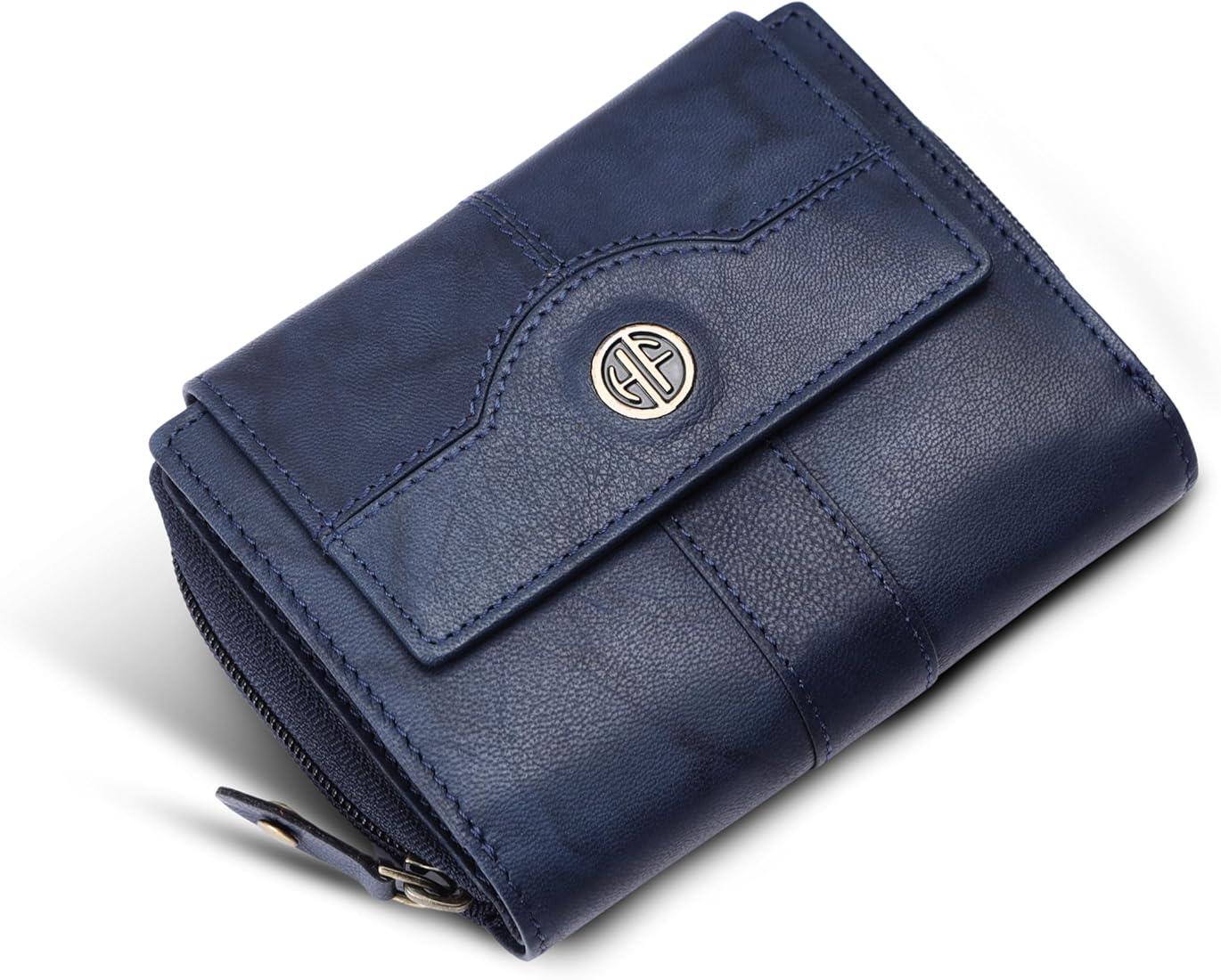
Ladies’ leather wallets are more than just everyday accessories. They are practical, stylish, and long-lasting, making them a smart investment for daily use. A good ladies leather wallets option not only helps keep essentials organised but also adds a touch of elegance. Understanding the features that make these wallets valuable can help in choosing the right one.
Durability and Long Lifespan
One of the main reasons leather wallets are worth investing in is their durability. Leather is a strong material that can handle daily use without wearing out quickly. With proper care, a leather wallet can last for many years. Over time, it often develops a natural finish that adds to its appearance, making it look even better with age.
Timeless Style
Leather wallets have a classic and timeless appeal. They do not go out of fashion and can match different styles and occasions. Whether used for work, travel, or daily errands, a leather wallet maintains a polished and elegant look. This makes it a reliable accessory that can be used for years without feeling outdated.
Organized Storage
A well-designed leather wallet offers multiple compartments for better organisation. It usually includes sections for cash, cards, coins, and important documents. This ensures everything stays organized and easy to access. Good organisation reduces clutter and makes everyday use more convenient.
Comfortable and Practical Design
Leather wallets are designed to be both comfortable and easy to use. They are usually lightweight and easy to carry in a handbag. Many designs also include secure closures, such as zippers or buttons, to keep belongings safe. A practical design ensures that the wallet fits well into daily routines.
Strong and Reliable Material
Leather is known for its strength and flexibility. It does not tear easily and can handle regular handling without losing its shape. This reliability makes leather wallets a better choice compared to many other materials that may wear out quickly. Investing in quality material ensures better performance over time.
Low Maintenance with Proper Care
Leather wallets are relatively easy to maintain. Simple cleaning and occasional conditioning can help keep them in good condition. With proper care, the wallet retains its texture and appearance for a long time. This makes it a convenient option for everyday use.
Adds Value to Daily Use
A leather wallet is not just functional but also adds value to everyday life. It combines style, durability, and convenience in one product. Carrying a well-made wallet can enhance confidence and keep essentials neatly arranged throughout the day.
Conclusion
Ladies’ leather wallets are worth the investment because they offer durability, timeless style, and practical features. They help keep essentials organised while maintaining a polished look. With proper care, they can last for years and continue to perform well. Choosing a quality leather wallet is a smart decision for anyone looking for a reliable and stylish everyday accessory.